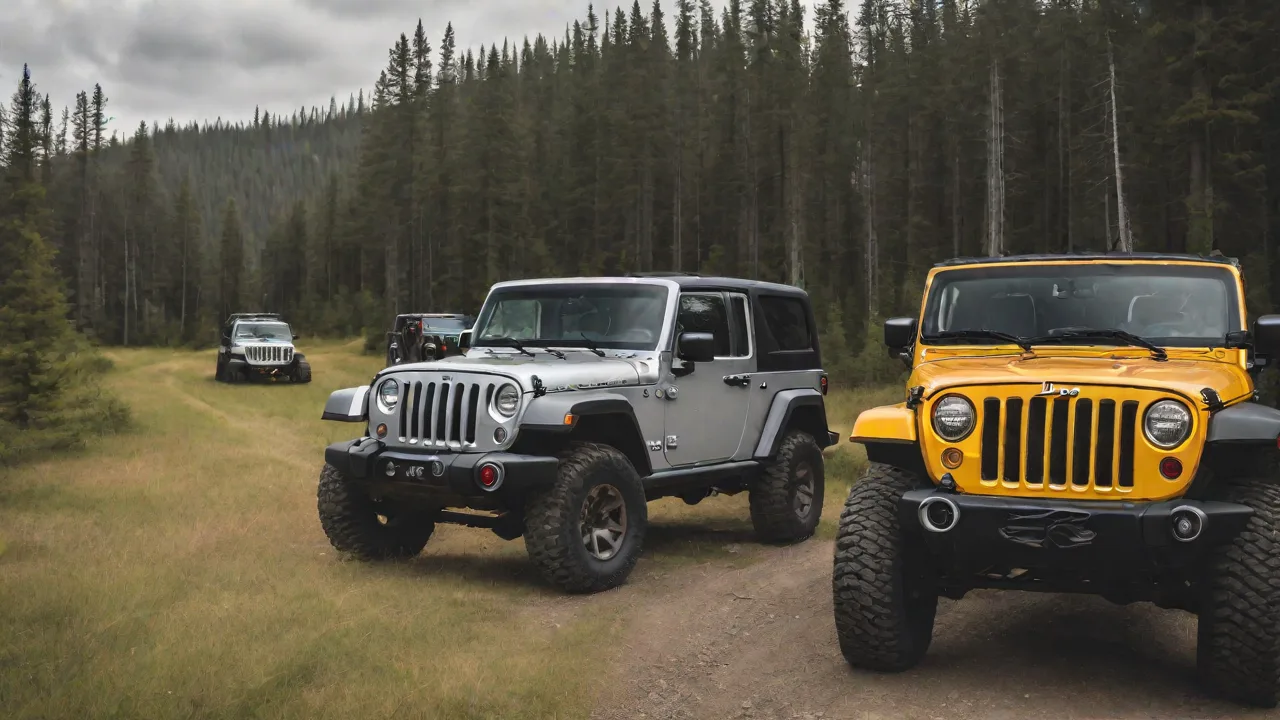
How to Organize or Join Group Off-Road Events Via Jeep Forums
Group off-road events are the heartbeat of the Jeep community. Whether you are a seasoned trail veteran or a new owner eager to test your tires, these gatherings offer unmatched camaraderie, skill development, and adventure. Jeep forums remain one of the most effective platforms for discovering and organizing such events. Unlike algorithm-driven social media feeds, forums provide persistent, searchable threads where planning, discussion, and follow-up can happen over weeks or months. This guide expands on the practical steps to either join a group run or take the lead as an organizer, covering everything from choosing the right forum to post-trip memories.
Finding the Right Jeep Forum
The foundation of any successful off-road event lies in the community you tap into. Not all Jeep forums are created equal; some focus on specific models like the Wrangler TJ or JL, while others cater to certain geographic regions or driving styles (rock crawling, overlanding, mudding). Begin by identifying forums that align with your interests and location.
Popular General Jeep Forums
- JeepForum.com – One of the largest and longest-running communities with dedicated sections for events, trail rides, and regional clubs.
- JeepGarage.org – Active forum for all Jeep models, featuring trail reports and meetup threads.
- WranglerTJForum.com / JLWranglerForums.com – Model-specific forums that often have sub-forums for local runs.
- Social media groups – Facebook groups and Reddit communities (e.g., r/Jeep, r/Offroad) can complement forums, but threads lack the depth and archival nature of forum discussions.
How to Evaluate Forum Activity
Before investing time, check the Last Post dates in the event planning sections. A forum with daily posts, recent trail reports, and responsive moderators is a healthy sign. Look for threads where members share photos and videos from past group rides – this indicates an active turnout culture. Also note whether the forum has a dedicated “Trips, Trail Reports & Events” section or a regional club directory. Some forums require a minimum post count to view or post in event threads; that is a good sign of an engaged community.
Consider joining more than one forum to widen your network. Many events are cross-posted, but niche runs (e.g., only for lifted JKs or only for stock Cherokees) may only appear on specific boards.
Joining an Existing Off-Road Event
Once you have identified a few active forums, the next step is to locate a trip that matches your skill level, vehicle capability, and schedule.
Browsing Event Threads and Calendars
Most forums maintain a “Events & Rallies” subforum or a calendar. Look for stickied threads that outline upcoming runs. Pay attention to the event title – terms like “beginner friendly,” “green trail,” or “easy day trip” indicate low difficulty, while “hard core,” “black diamond,” or “buggy required” mean serious rock crawling. Read the entire first post carefully:
- Date, time, and meeting point (often coordinates of a trailhead or gas station)
- Required equipment (tow strap, D-rings, Hi-Lift jack, radio, spare tire)
- Vehicle requirements (minimum tire size, lifted or stock, lockers?)
- Whether camping is involved or it is a day trip
- Contact information for the run leader or point person
Communicating with the Organizer
To join, you usually need to post in the thread stating your intention. In some cases, a PM to the organizer is required. Introduce yourself briefly – mention your vehicle, experience level, and any relevant skills (e.g., radio operator, first aid, winch experience). Ask clarifying questions if the post is vague: “Is CB channel 16 the primary? Do we need a full-size spare?” Being transparent about your abilities ensures a safe and enjoyable outing for everyone.
Preparing Your Jeep for the Event
Once confirmed, prepare your vehicle at least a week in advance. A basic pre-run checklist includes:
- Fluid levels (oil, coolant, brake, transmission)
- Tire pressure and tread depth; consider airing down and carrying an air compressor
- Battery terminals and electrical connections
- Recovery points – ensure front and rear tow hooks are not rusted or missing
- Functional spare tire and jack
- First aid kit, fire extinguisher, and basic tool set
Don’t assume the trail is paved. Even an “easy” trail can have mud bogs or rocky sections after rain. Pack extra water, food, and clothing layers. Let someone not on the trip know your plan and expected return time.
Organizing Your Own Off-Road Event
If you cannot find a suitable event nearby, take the initiative to organize one. Leading a group run can be rewarding, but it requires careful planning and clear communication to keep everyone safe and happy.
Step 1: Choose a Route and Scout It
Select a trail that you have personally driven before, ideally multiple times and in varying conditions. Know the tricky sections, the bypass routes, and the cell phone coverage dead zones. Determine the passability based on vehicle length, width, and clearance. For public land trails, check with the local land management agency (USFS, BLM, state park) to ensure the trail is open and whether permits or group size limits apply.
Step 2: Set a Date and Participant Cap
Weekends are standard, but holidays may cause crowding. Aim for a group size between 8 and 15 vehicles – more than that becomes difficult to manage, especially on narrow trails. Larger groups require multiple spotters and often split into two or three sub-groups. Consider designating a “tail gunner” (sweep vehicle) with recovery gear and communication to ensure no one is left behind.
Step 3: Create a Comprehensive Forum Post
Your event thread should leave no ambiguity. Include:
- Date and times: meet time, driver’s meeting, departure, estimated return.
- Location: GPS coordinates and a link to Google Maps or a trail map.
- Trail difficulty (use a recognized scale like 1-10 or stock-friendly, intermediate, difficult).
- Required gear: radio (CB or GMRS), recovery strap, shovel, full-size spare, etc.
- RSVP instructions: “Post In This Thread To Claim A Spot” or “PM Me Your Phone Number.”
- Weather contingency plan (rain cancellation threshold, alternate date).
- Safety expectations: seat belts on at all times, no alcohol during the trail, pack out all trash.
Use bold text for critical items like “No passengers without seat belts” or “Mandatory driver meeting at 8:30 AM.”
Step 4: The Driver’s Meeting
Assemble everyone at the trailhead before moving. Go over the route in detail, identify the leader and tail gunner, assign radio channels, and discuss hand signals for turns and stops. Remind everyone of the “buddy system” – each vehicle is responsible for the one behind them. Confirm that everyone has a working radio (even a handheld FRS is better than nothing).
Step 5: Managing the Run
As the organizer, you set the pace. Stop frequently to regroup, especially after difficult obstacles. Let the tail gunner report if anyone is stuck or struggling. If someone has a mechanical failure, the group waits (or you split). Always carry a comprehensive first aid kit and know the nearest hospital route. A satellite messenger (Garmin inReach or Zoleo) is strongly recommended if you venture into remote areas with no cell service.
Essential Safety and Recovery Gear
Both participants and organizers must prioritize safety gear. A well-equipped group can handle most mishaps without calling for outside help, which may be hours away.
- Recovery strap (kinetic rope preferred, at least 20 feet, rated for your vehicle weight)
- Hard D-rings (shackles) with a 3/4-inch or larger pin – no tow balls
- Hi-Lift jack and base plate for soft ground
- Traction boards (Maxtrax or similar) for self-recovery
- Air compressor to reinflate tires after the trail
- Fire extinguisher – mount it within reach of the driver
- First aid kit with trauma supplies (tourniquet, gauze, gloves)
- Emergency blanket, extra water, and high-calorie snacks
Every driver should also carry a printed map of the trail system. Though phones and GPS are convenient, batteries die and signals vanish. Do not rely solely on electronics.
Trail Etiquette and Environmental Responsibility
Group off-road events have the power to either strengthen the community’s reputation or damage it. Follow these principles to ensure trails remain open for future generations.
- Stay on designated routes. Do not cut switchbacks or create new trails.
- Respect wildlife and livestock. Yield to horses and hikers; stop and kill your engine if animals are near.
- Pack out what you pack in. Bring extra trash bags for any litter found on the trail.
- Leave gates as you found them. Open or closed – never drive around a closed gate.
- Minimize noise and dust. Avoid revving engines needlessly; keep dust down by maintaining a safe following distance.
The Tread Lightly! program offers excellent resources for responsible off-roading. Consider making a group pledge to follow these principles at every event.
Building Community and Sharing Memories
After a successful run, the forum loop completes. Return to your original event thread and post a trip report. Include photos, video links, trail conditions, and any lessons learned. This benefits those who could not attend and helps future event planners learn from your experience.
Encourage participants to share their own photos and stories. A vibrant trip report thread often becomes the catalyst for the next event. You can use the forum’s gallery or embed images with proper credits. If you organized the run, thank the tail gunner, spotters, and everyone who helped. Recognize someone who handled a challenging obstacle well – recognition fosters community loyalty.
Consider building a recurring event – a monthly “First Saturday Run” or an annual “Summer Solstice Crawl.” Consistent events attract a regular crew and make the forum a go-to place for Jeep adventures.
Conclusion
Jeep forums are far from obsolete; they remain the most reliable, structured, and archive-friendly method for organizing and joining group off-road events. By choosing an active forum, preparing your vehicle thoroughly, communicating clearly, and respecting the land, you can unlock unforgettable experiences with fellow Jeep owners. Whether you are signing up for your first beginner ride or leading a multi-day expedition, the steps outlined here will keep the adventure safe, responsible, and fun. Start browsing the event threads today – the trail is waiting.